

Natural chews vs synthetic sticks: safer choices for fresher dog breath
Natural chews vs synthetic sticks: safer choices for fresher dog breath
Bad breath can turn cuddles into quick goodbyes. The right chew may help scrape plaque, reduce odour-causing debris, and occupy busy jaws. Yet not all chews behave the same on teeth or tummies.
This guide compares natural buffalo options with processed dental sticks for safety and cleaning effect. You will learn how buffalo horns, ears and trachea differ from synthetics, how to match chews to chewing style, and how to monitor for results without risking your dog’s health.
The decision at a glance: one choice for safer, fresher breath
What this article focuses on
This focused deep dive compares material safety, digestibility, and cleaning action. It explains how buffalo horn, buffalo ears for dogs, and a buffalo trachea chew differ from synthetic, processed sticks. You will get practical rules to choose confidently for your dog’s chewing style.
Key criteria: safety, digestibility, cleaning action, chewing style
Prioritise tooth safety and gut tolerance first. Then consider cleaning texture and time-on-tooth. Finally, match durability to your dog’s chewing intensity. Natural chews vary widely, so selection should be intentional, supervised, and adjusted based on stools, breath change, and wear patterns.
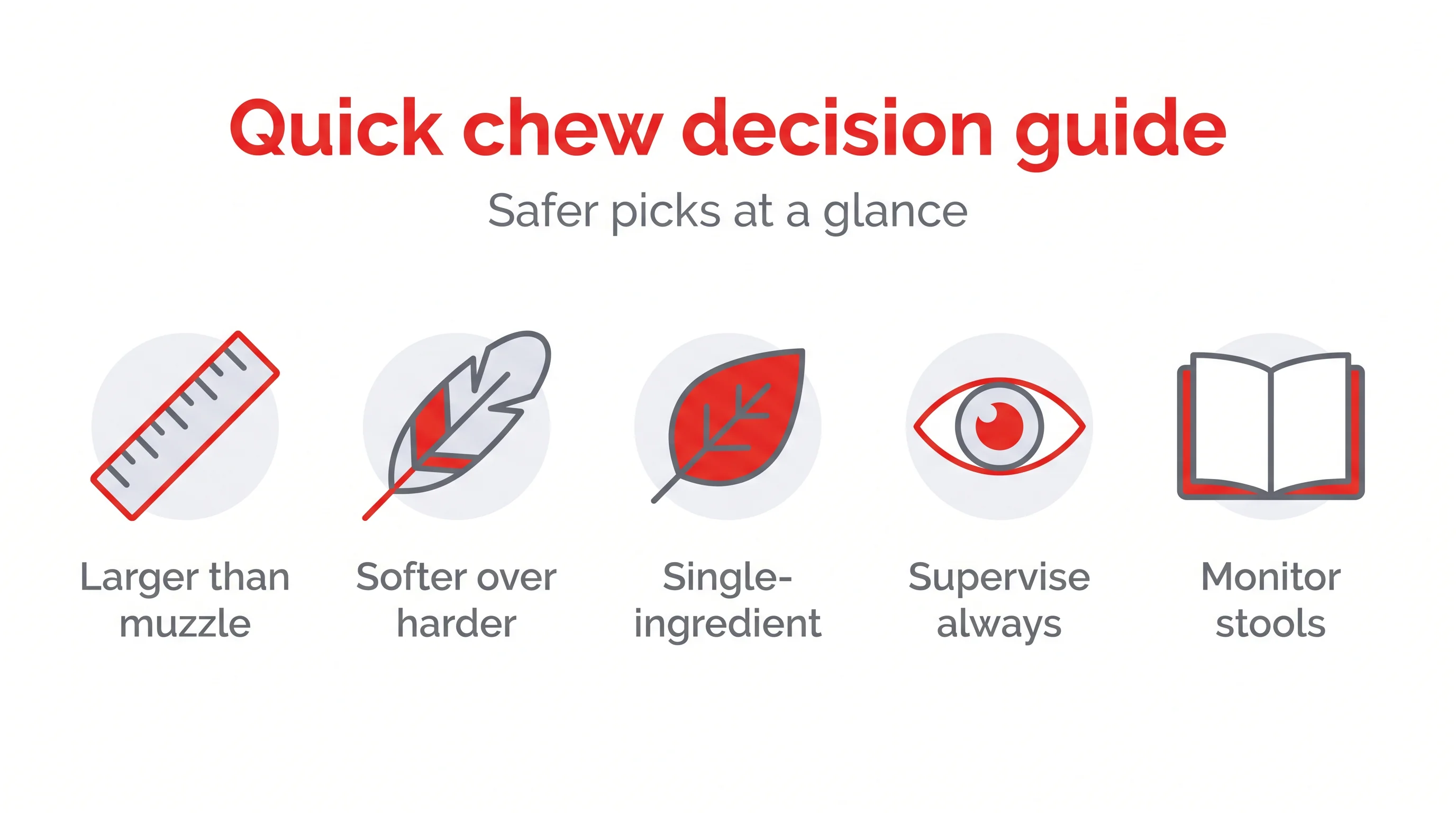
Quick decision guide
If your dog is a power chewer
Choose durable, non-splintering options sized larger than the muzzle width. Buffalo horn may suit under strict supervision, but assess tooth risk. Avoid brittle antlers and thin plastics. Rotate limited sessions to reduce fracture risks and prevent obsessive gnawing.
If your dog gulps or has a sensitive stomach
Pick softer, single-ingredient tissues such as buffalo ears or lung. Avoid very hard items and highly processed composites. Introduce gradually and monitor stools. For broader strategy, see how to freshen safely with sensitivities without flare-ups or setbacks.
If your goal is daily breath freshening
Favour textures that encourage chewing for 5–10 minutes. Natural tissues with ridges or processed dental sticks for dogs may help with debris removal. Build consistency alongside brushing; consider a routine framework from build a daily dental routine for measurable results.
If you need a low‑odour indoor option
Pick air-dried tissues with lighter scent, such as buffalo ears or trachea. Choose products packaged well and stored properly. Avoid very oily chews indoors. Synthetic sticks often have neutral odour but may vary in ingredients and firmness.
If your dog is overweight or on restricted fat
Select lean tissues like trachea or paddywack, and use brief sessions. Many processed sticks display calorie data; compare kilocalories per piece. Deduct chew calories from meals. Discuss sustained weight management with your veterinary team.
If your dog has dental disease or loose teeth
Choose very soft, short-duration options only, or pause chewing until assessed. Hard chews can worsen mobility or pain. If smell is severe or bleeding appears, review urgent signs in plaque vs. tartar guidance before continuing home care.
If you want minimal ingredients and recyclable packs
Look for single-ingredient buffalo chews in recyclable packaging. The Buffalo Co. prioritises transparent sourcing and eco-conscious materials. Fewer additives reduce uncertainty, which may help dogs sensitive to flavours, colourants, or binding agents.
Natural chews vs synthetic sticks: how they differ
Materials and ingredients
Natural chews use animal tissues or keratin structures. Examples include buffalo ears, horn, lung, trachea, and paddywack. Synthetic dental sticks for dogs are usually plant-based or composite matrices with fibres, enzymes, or flavourings. Read labels for proteins, binders, and preservatives.
Digestibility and breakdown
Tissue-based chews are animal protein and may digest similarly to other meats. Keratin-heavy options, like horn, are minimally digestible, so enforce size control. Synthetic sticks vary; some break into soft crumbs while others remain rubbery. Monitor stool quality and frequency.
Mechanical cleaning and texture
Natural tissues provide irregular surfaces and natural ridges for scraping. Horn offers abrasion but requires caution due to hardness. Many synthetic sticks are engineered with grooves to polish plaque. Texture that sustains chewing time may reduce plaque accumulation and odour sources.
Additives for breath and tartar
Some processed sticks include chlorophyll, zinc salts, or enzymes for breath and plaque support. Controlled trials show dental chews may reduce plaque and halitosis and shift oral microbiota toward healthier profiles over weeks[1][2]. For convenience, many owners use Gently Dently- Chicken Dental Treats as part of a measured breath-freshening routine.
Matching chew type to chewing style
Power chewers
Prioritise durability but limit hardness. Large buffalo horn can work under supervision and time limits. Consider alternating with tough but pliable paddywack. Always evaluate tooth wear, gum health, and any signs of frustration or aggressive gnawing.
Moderate nibblers
Offer medium-durability options that reward steady chewing. Buffalo trachea chew rings or sections provide ridged scraping and a lean profile. Ears and lung offer lighter sessions with satisfying textures. Rotate styles to maintain engagement and reduce overexposure.
Sensitive or small dogs
Choose softer, thinner tissues that are easy to handle and swallow safely. Trim trachea into shorter pieces. Select smaller ears or puffed lung. For odour and tolerance, start with brief sessions and expand as stools remain stable.
Practical safety boundaries
Sizing, supervision and chew time
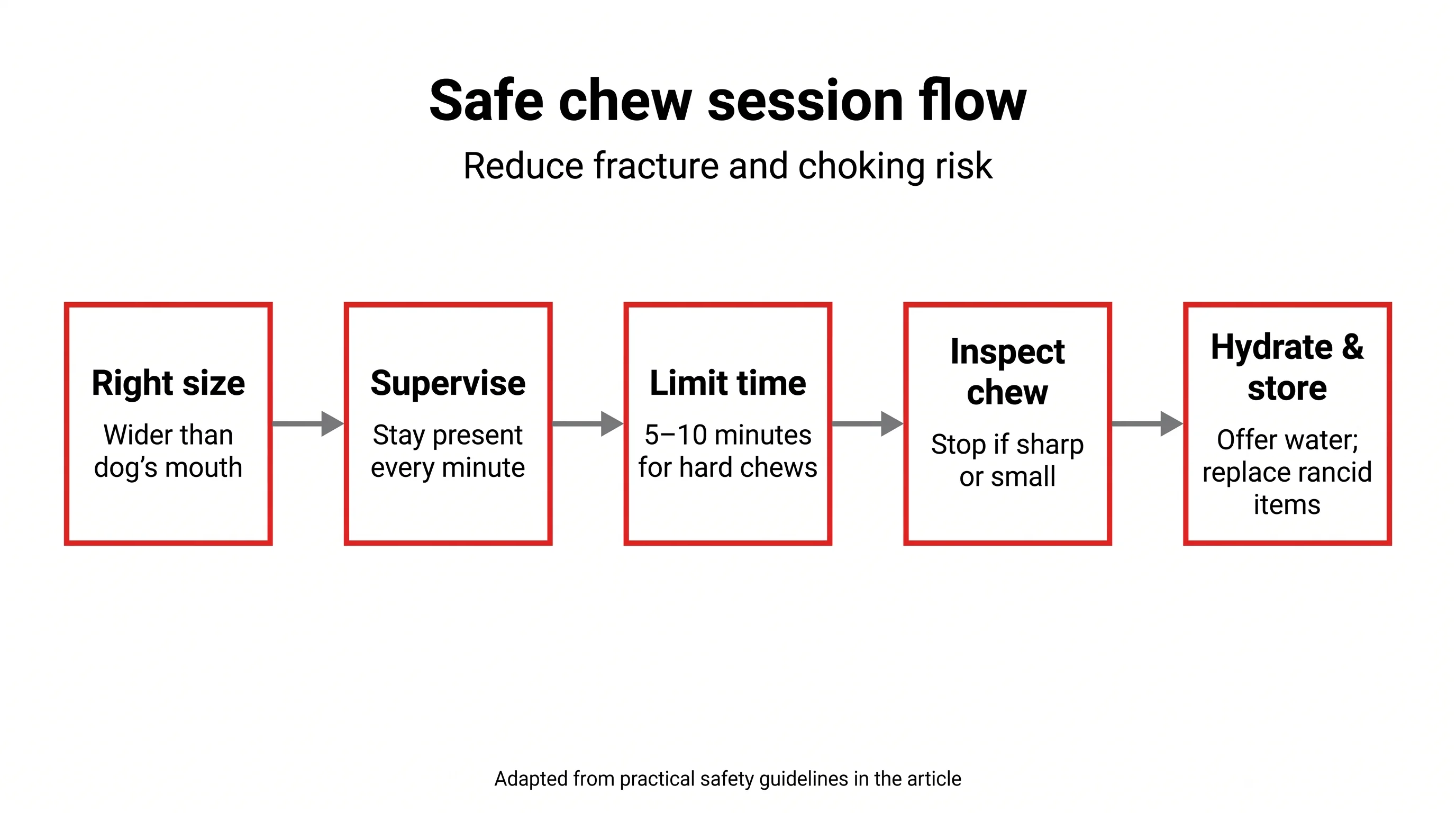
Pick a size wider than your dog’s mouth to prevent gulping. Supervise every session. For hard chews, keep sessions to 5–10 minutes. Provide fresh water nearby. Schedule chewing after exercise, when arousal is lower and controlled gnawing is more likely.
When to remove and replace
Retire a chew if it becomes small enough to swallow, splinters, or develops sharp edges. Replace overly greasy or odorous items stored poorly. For buffalo horn chew safety, discard if you see cracks, tooth chips, or bleeding gums after sessions.
Storage and hygiene
Air-dried chews keep best in sealed, dry containers. Avoid humid environments that encourage mould. Wash hands and surfaces after handling. The Buffalo Co.’s fully recyclable packaging supports tidy storage and lower waste, aligning health routines with sustainability aims.
Monitoring guidance
After 7–14 days: what to observe
Check breath odour at the same time daily. Inspect gum lines for food residue reduction. Log stool quality and frequency. If stools loosen, reduce intensity or switch textures. Consider pairing brushing with dog bad breath chews for consistent results.
After 4–8 weeks: progression and when to escalate
Look for lighter plaque lines and slower tartar buildup. Assess chewing enthusiasm and tooth wear. If halitosis persists, review diet contributors and seek veterinary advice. Reinforce habits with daily dental treats while maintaining calorie balance and safe supervision.
Evidence status: what research suggests
Chew texture and plaque reduction
Evidence indicates that regular chewing with textured dental chews can reduce plaque and calculus accumulation relative to no chews[4]. Studies using structured, multi-tooth scoring also report improvements over several weeks of consistent use[3]. Results vary with formulation, texture, and adherence.
Additives for breath freshness
Clinical trials show that dogs receiving certain dental chews exhibit reduced halitosis and beneficial oral microbiota shifts compared with controls not receiving chews[1][2]. These effects depend on chew texture, composition, and consistent, supervised use within a balanced dental routine.
Digestibility considerations
Research on dental chews primarily reports oral outcomes, with acceptable tolerance in study cohorts[3]. However, individual tolerance varies. Evidence supports gradual introduction and monitoring of stool changes when adding new chews, especially in dogs with sensitive gastrointestinal profiles.
Product spotlights from natural buffalo options
Buffalo horns (durability focus)
Buffalo horn suits experienced chewers needing durable engagement, but it is very hard. Emphasise buffalo horn chew safety: strict sizing, time limits, and inspection for sharp edges. Retire immediately if you observe tooth wear, cracks, or gum trauma.
Buffalo ears and lung (lighter, quicker chews)
Buffalo ears for dogs deliver moderate abrasion with low odour and simple ingredients. Lung offers airy texture for shorter sessions. These lighter chews can complement brushing and help with routine debris removal without adding excessive calories.
Buffalo trachea and paddywack (texture for scraping)
A buffalo trachea chew features ridges that may enhance scraping along the gumline. Paddywack provides firm, sinewy resistance without the hardness of horn. Both options can bridge the gap between soft tissues and very hard chews when managed thoughtfully.

Frequently Asked Questions
Do natural chews actually help with dog bad breath?
Chewing may reduce plaque and food debris that contribute to odour, which can help breath smell fresher. Texture and time‑on‑tooth matter; combine with regular toothbrushing for best results.
Are buffalo horns safe for aggressive chewers?
They can be suitable when correctly sized, introduced gradually and supervised. Avoid if your dog has a history of slab fractures, over‑enthusiastic chewing, or existing dental issues, and remove if the horn develops sharp edges.
Which is more digestible: natural chews or synthetic dental sticks?
Many natural tissue‑based chews (ears, trachea, lung) are animal protein and may digest similarly to other meats, while synthetics vary by brand and formulation. Always monitor stool quality and choose options aligned with your dog’s tolerance.
Can dental sticks replace brushing?
Evidence suggests chews and sticks may support plaque control but do not replace brushing. Brushing remains the most effective at‑home method for plaque removal.
How often should my dog have a chew for fresher breath?
Frequency depends on calorie needs and chew type. Many owners use a light chew several times per week or a dental stick daily; reassess breath and tartar every few weeks and adjust.
Conclusion: choose based on safety, digestibility and your dog’s chewing style
Safer, fresher breath starts with matching chew hardness and size to your dog’s bite, then layering digestibility and texture for effective plaque disruption. Natural buffalo ears, trachea, and horn each bring distinct benefits and boundaries. Synthetic sticks add engineered grooves and, sometimes, breath-focused additives. Combine consistent chewing with brushing and monitoring to refine your plan. For a broader strategy, including vet red flags and routines, visit our bad breath decision hub.
References
- MQ Carroll et al. (2020). Effects of novel dental chews on oral health outcomes and halitosis in adult dogs. Journal of animal …. View article
- PM Oba et al. (2021). Dental chews positively shift the oral microbiota of adult dogs. Journal of animal …. View article
- PM Oba et al. (2024). Effects of a novel dental chew on oral health outcomes, halitosis, and microbiota of adult dogs. Journal of animal …. View article
- J Gawor et al. (2021). Comparison of a vegetable-based dental chew to 2 other chews for oral health prevention. … veterinary dentistry. View article